
Staten Island, NY
Demolition Contractor on Staten Island
We strip out houses, townhouses, shops and commercial floors across Staten Island. Most of that work happens in a detached house with the family still living in it and a container in the driveway.
- Based at8 Sunset Ave, Westerleigh
- WorkingStaten Island, borough wide
- Call(929) 693-7653
The house decides how the job runs
Not the other way round.
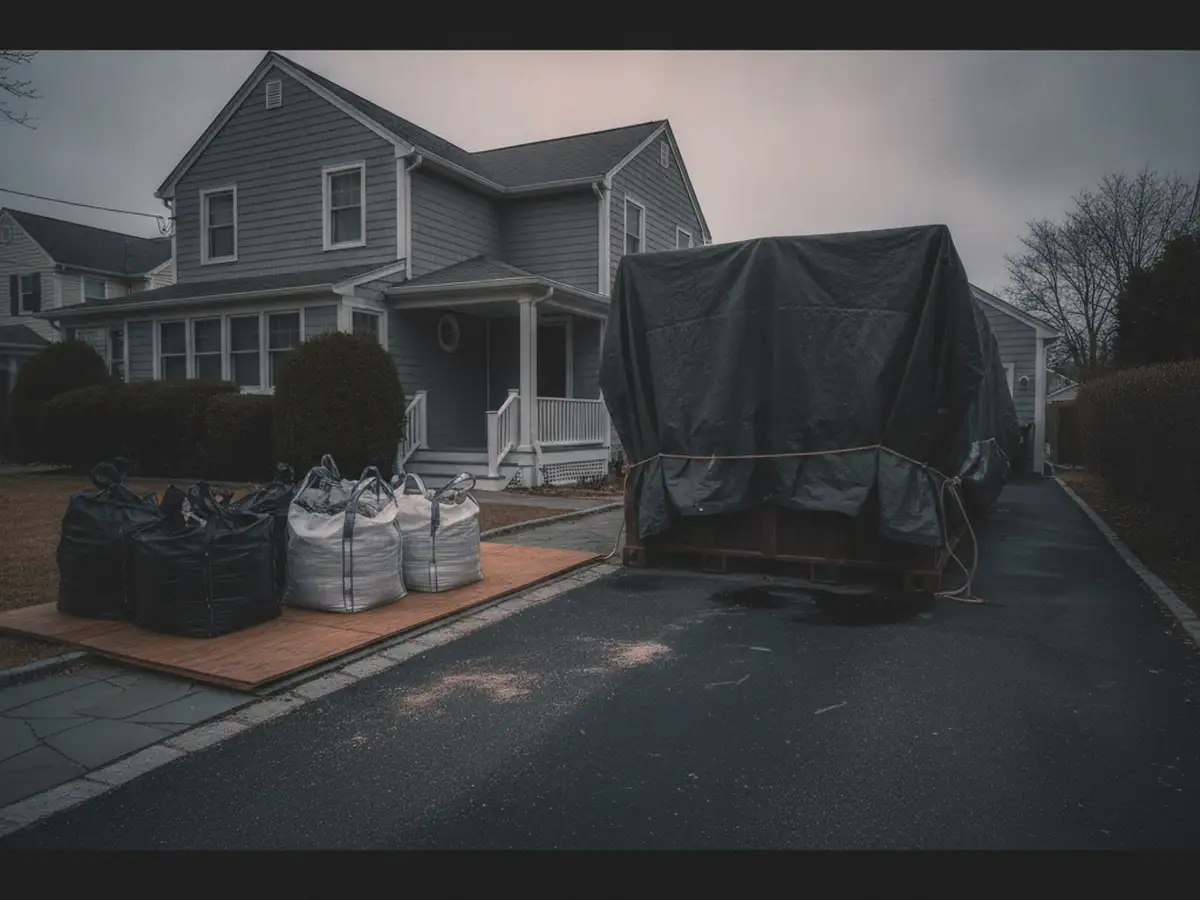
Taking a wall down is the quick part. On Staten Island the difficulty is the family, the neighbours and the route to the driveway.
A detached house in Westerleigh or New Dorp has a driveway for the container and a side or garage door for the material, which makes it the simplest route out in the city. It also usually has the family still living upstairs while the kitchen comes out downstairs. An attached townhouse in New Springville has a shared wall and a garage door as the only way out. An older frame house in Stapleton has a stair, a narrow lot and a historic district around it.
We plan all of that before we plan the demolition. We walk the space, work out how material gets from where it is to the container, and build the sequence backwards from there. That is what keeps a job from stalling on day three.
What we take on
-
 01
Interior
Interior Demolition
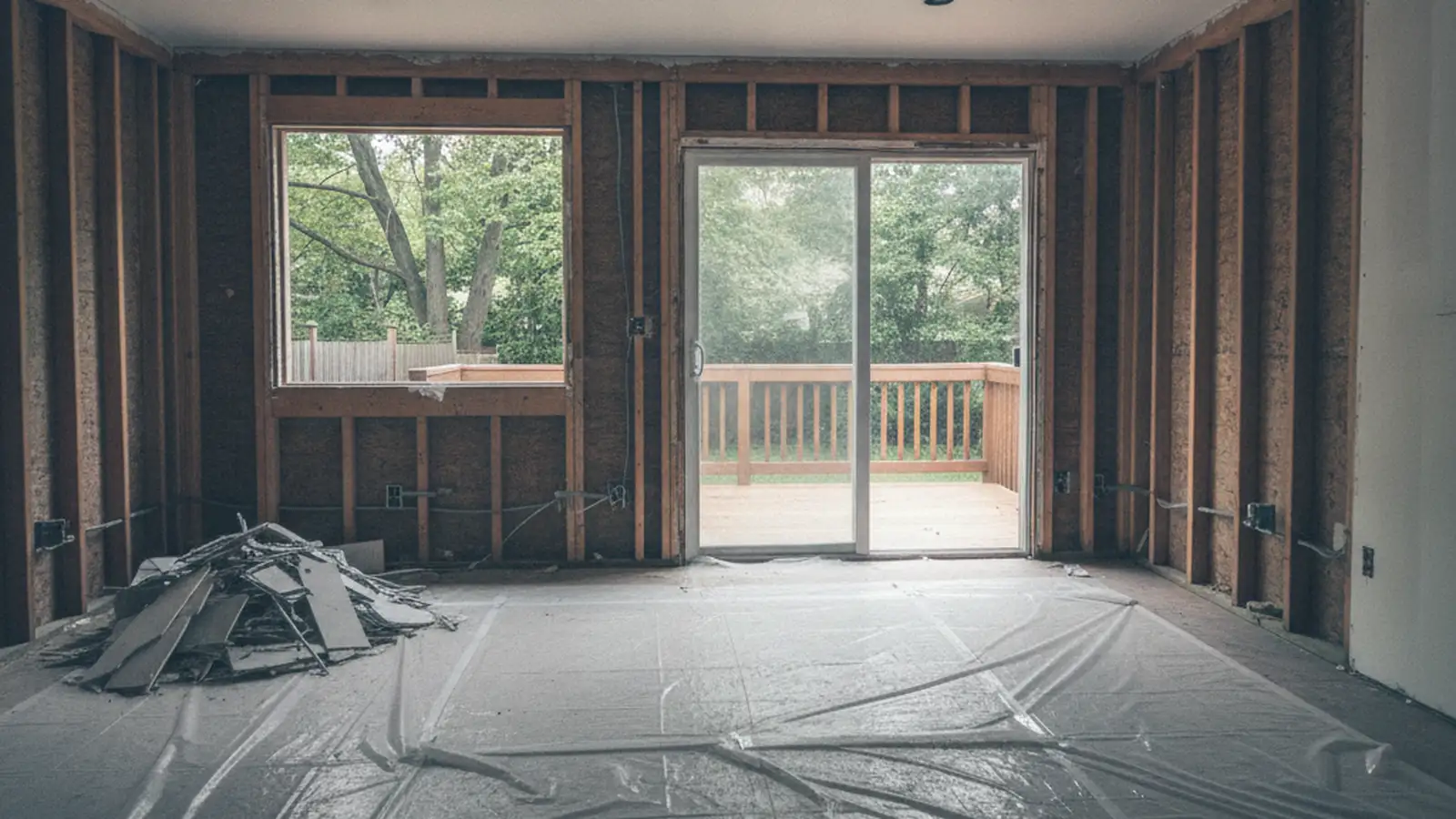
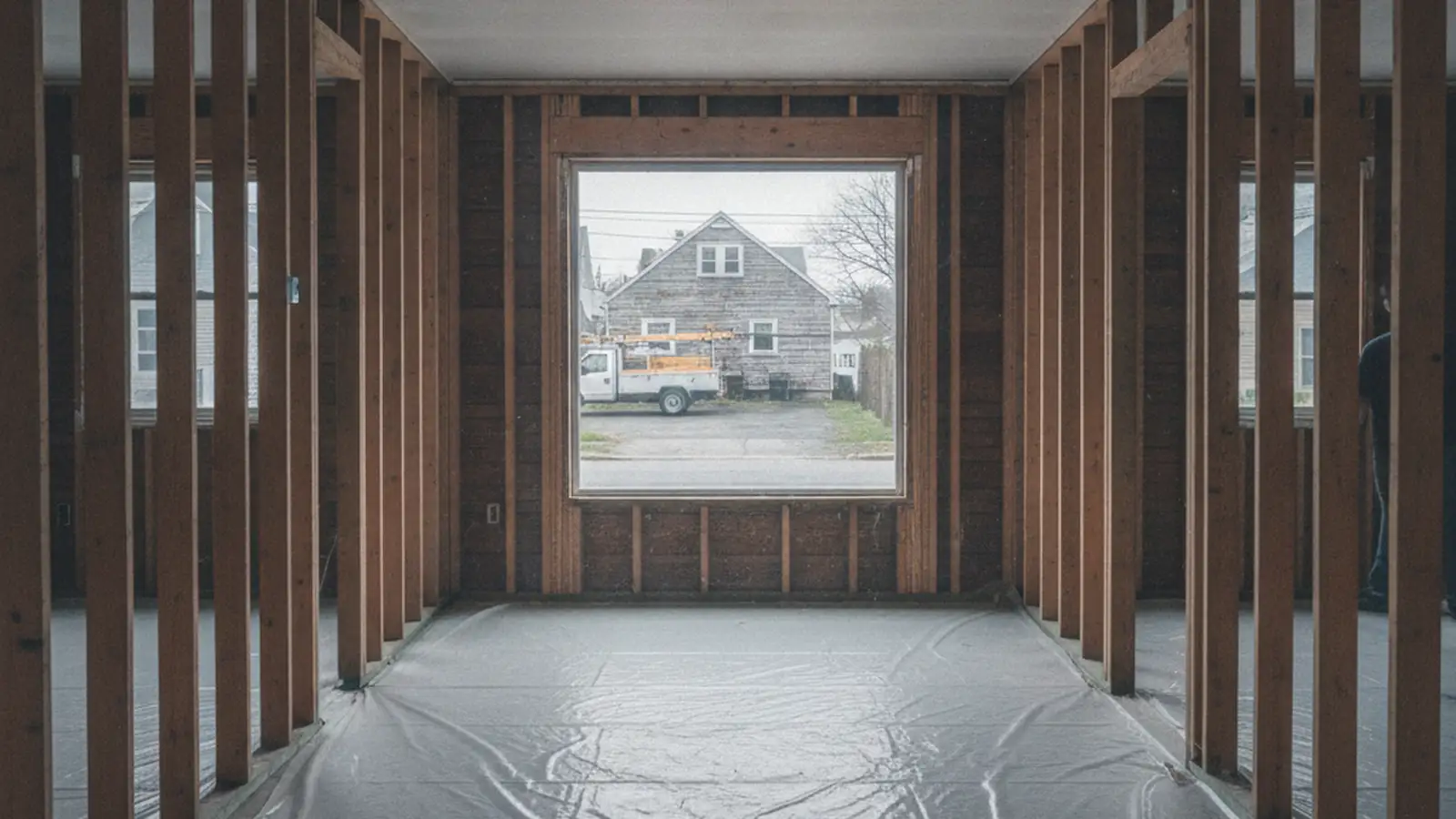
Full and partial gut-outs. We take a space back to whatever your next stage needs, whether that is bare studs and joists or a clean shell with the services left live.
Interior demolition
-
 02
Commercial
Commercial Demolition
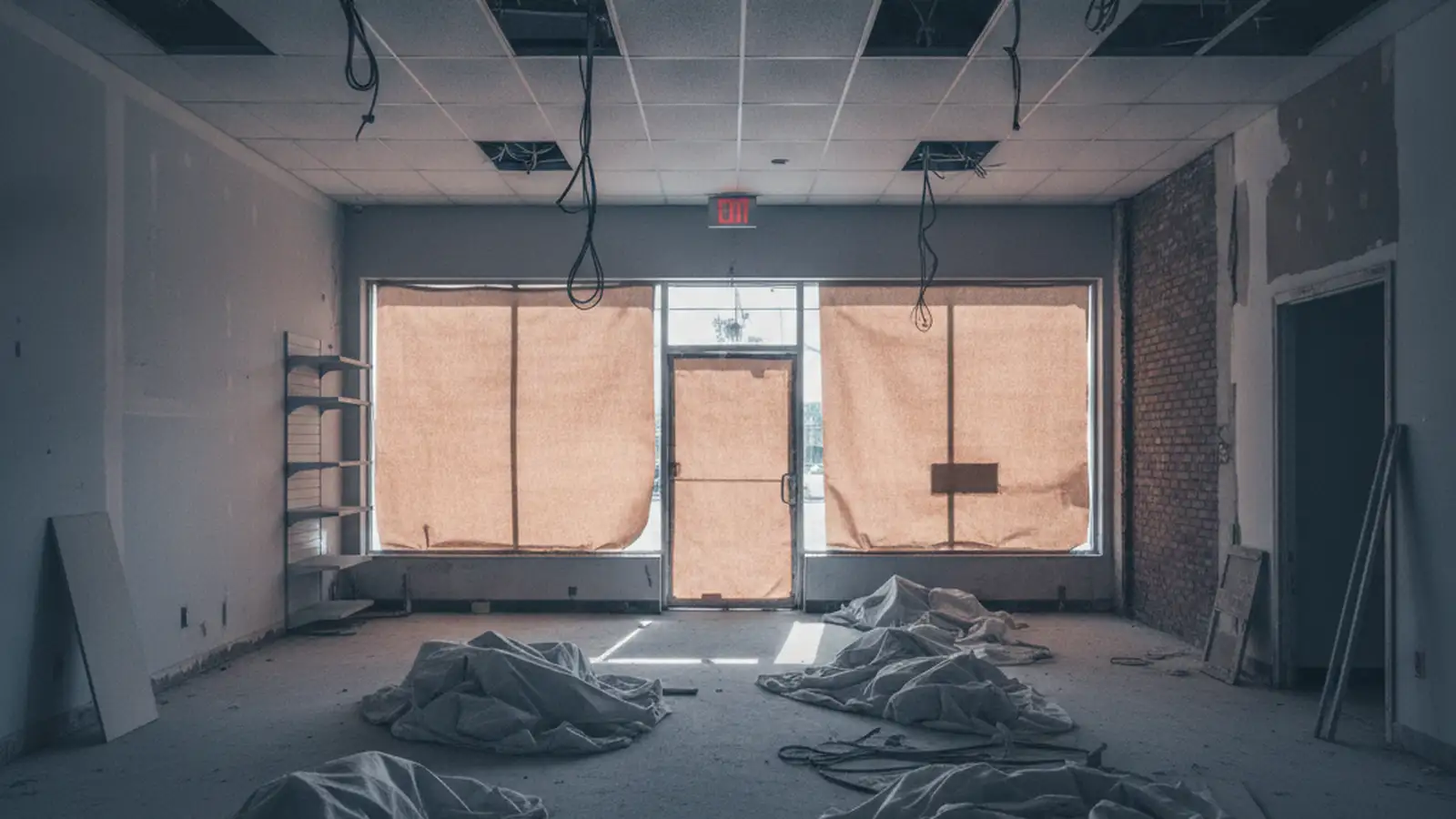
Shopping-strip units on Hylan, Forest, Richmond and Victory, restaurants, offices and the warehouse floors of the west shore. We work to a fit-out schedule and around the neighbours who keep trading.
Commercial demolition
-
 03
Residential
Residential Demolition
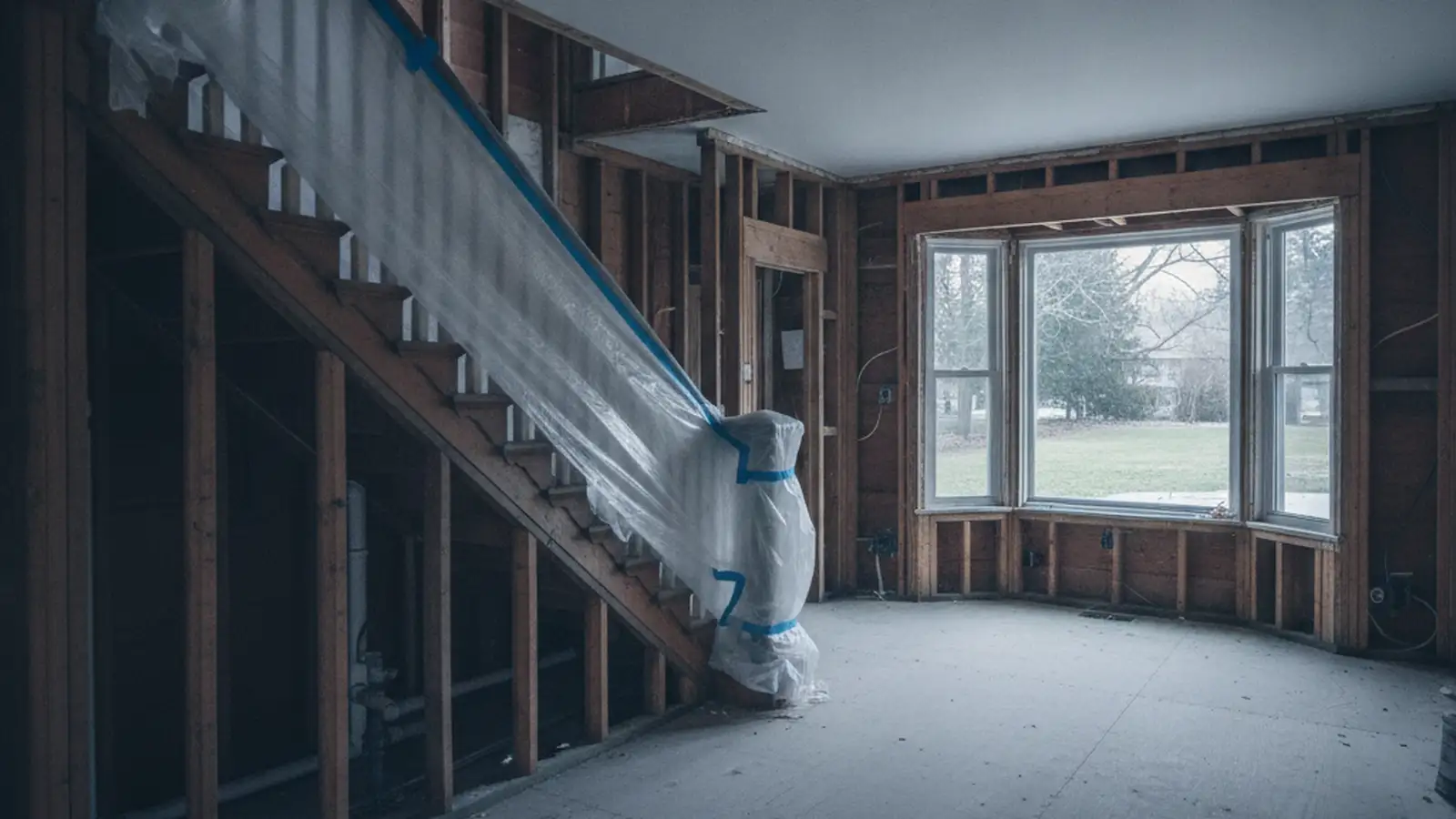
Detached houses, attached townhouses and the older houses of the North Shore. We work to the house, the family staying in it, the neighbours and the hours.
Residential demolition
-
 04
Concrete
Concrete Cutting and Removal
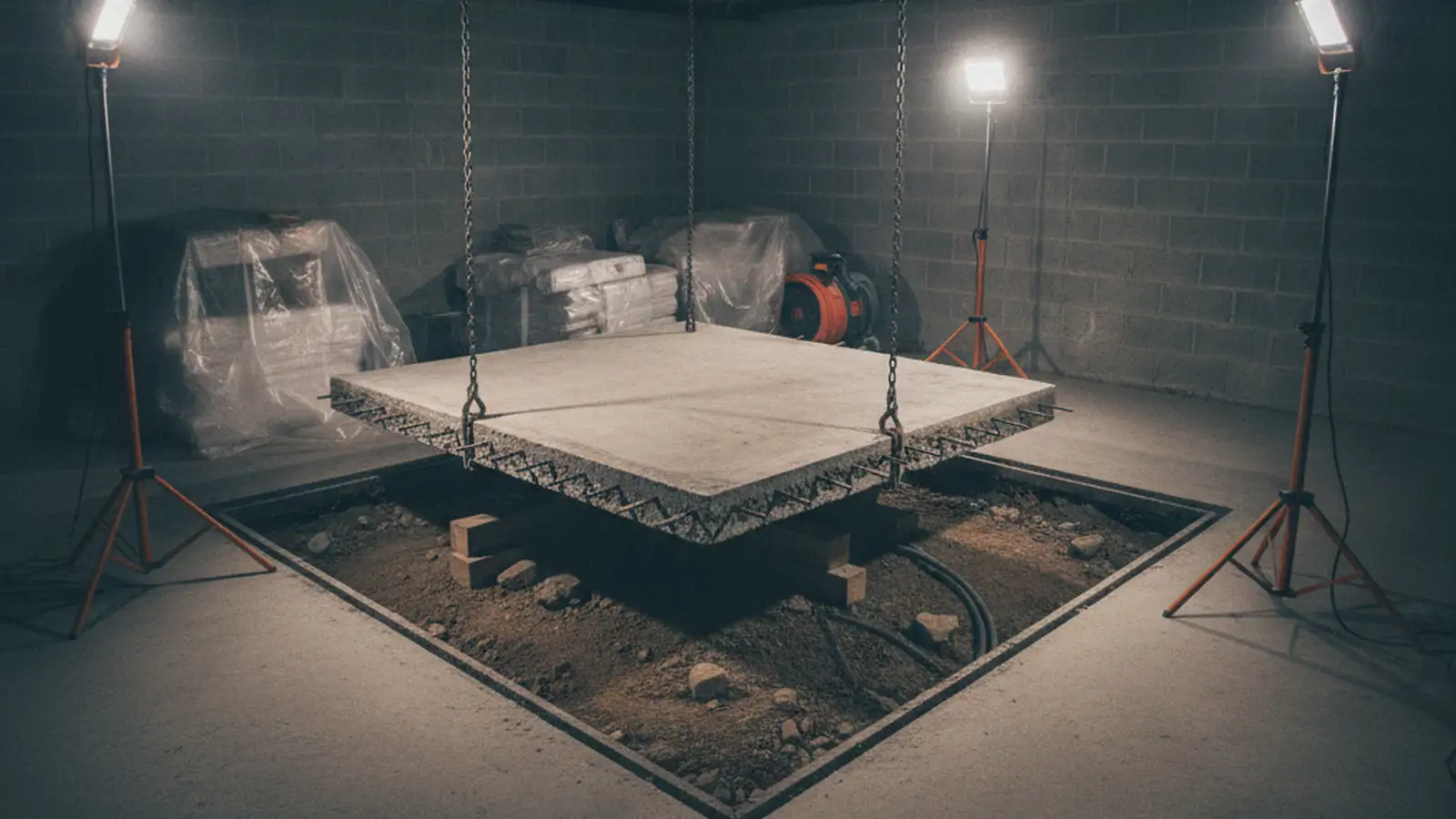
Basement slabs, garage floors, patio slabs, driveway aprons, pool decks and openings. Cut clean, broken down to pieces the route out can carry, and taken out.
Concrete cutting and removal
Across the harbour
Before anything comes down
Two things decide when a Staten Island job can actually start, and both of them sit ahead of the work.
The asbestos assessment. For a building put up before 1 April 1987, the city wants an asbestos assessment on file before the Department of Buildings will issue a permit for work that could disturb material. A DEP certified asbestos investigator does the inspection and files Form ACP-5. A larger share of Staten Island's houses are newer than that line than anywhere else in the city, but the North Shore's older stock and the postwar mid-island are not, so on many jobs this is still the first gate.
The hours. Construction work runs 7:00 AM to 6:00 PM on weekdays. Anything earlier, later, or at the weekend needs an After Hours Variance from the city, and that has to be filed a few business days ahead. On a street of detached houses the neighbours will hold you to it.
We will tell you where your job sits on both of these on the first call, before you have spent anything. How permits and building access work sets out the whole sequence.
How a job runs
-
Step 1 of 5
We walk the space
Ideally with you there. We look at what is coming out, what is staying, what the walls and floors are actually made of, and how material will leave the house.
-
Step 2 of 5
You get a scope and a number
Written down, itemised, and tied to a sequence. If something is likely to change the figure once the drywall is off, we say so then rather than later.
-
Step 3 of 5
We protect, then we start
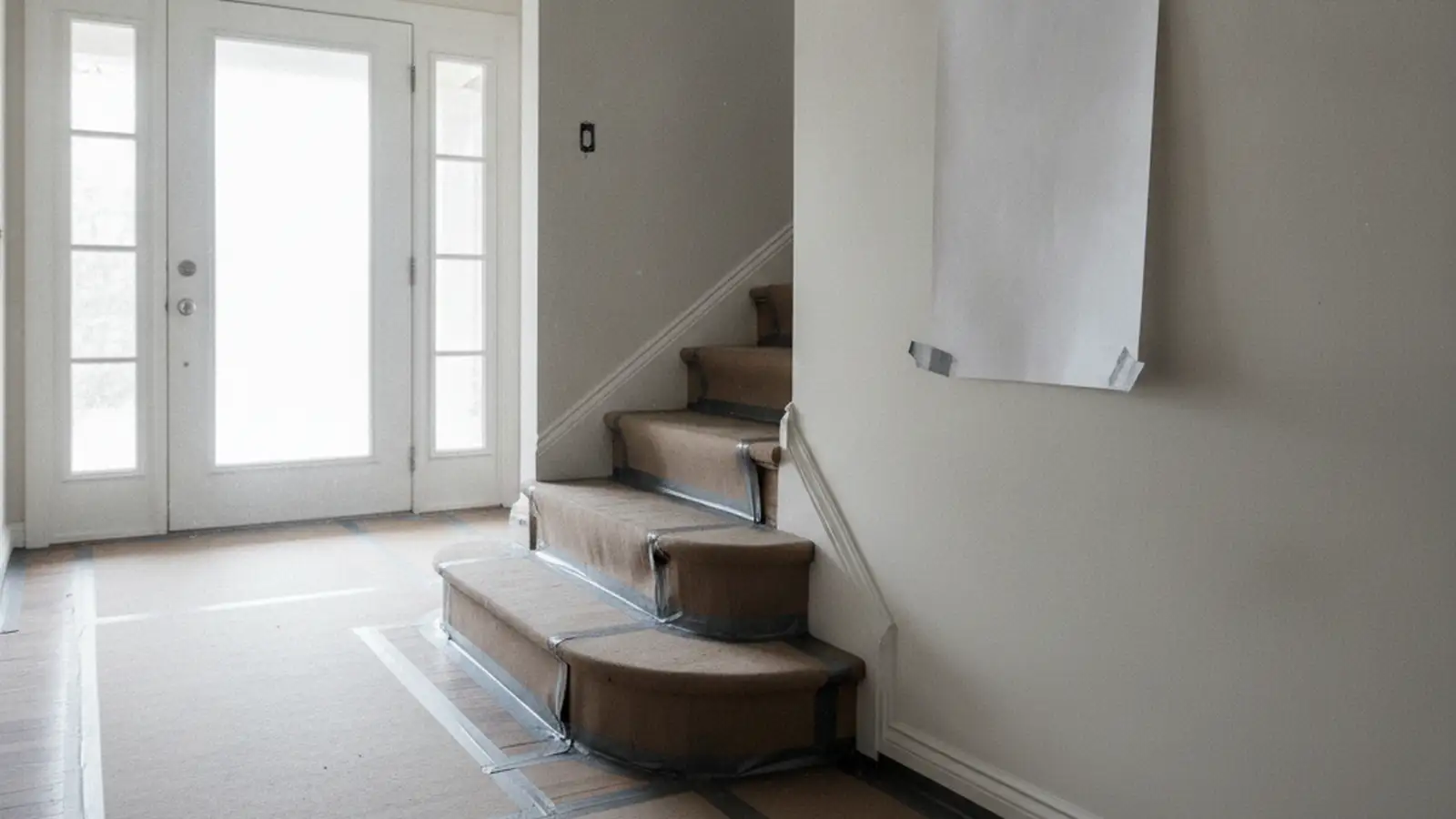
Hall, stair, floors, the rooms the family is still using, and anything staying in the space. Protection goes in before the first wall does.
-
Step 4 of 5
We clear as we go
Debris does not pile up in the house waiting for the end of the job. It goes to the covered container in the driveway the same day.
-
Step 5 of 5
You get the space back clean
Swept, clear, and ready for whoever is next in. We tell you what we found behind the walls, because your next trade will want to know.
Where we work
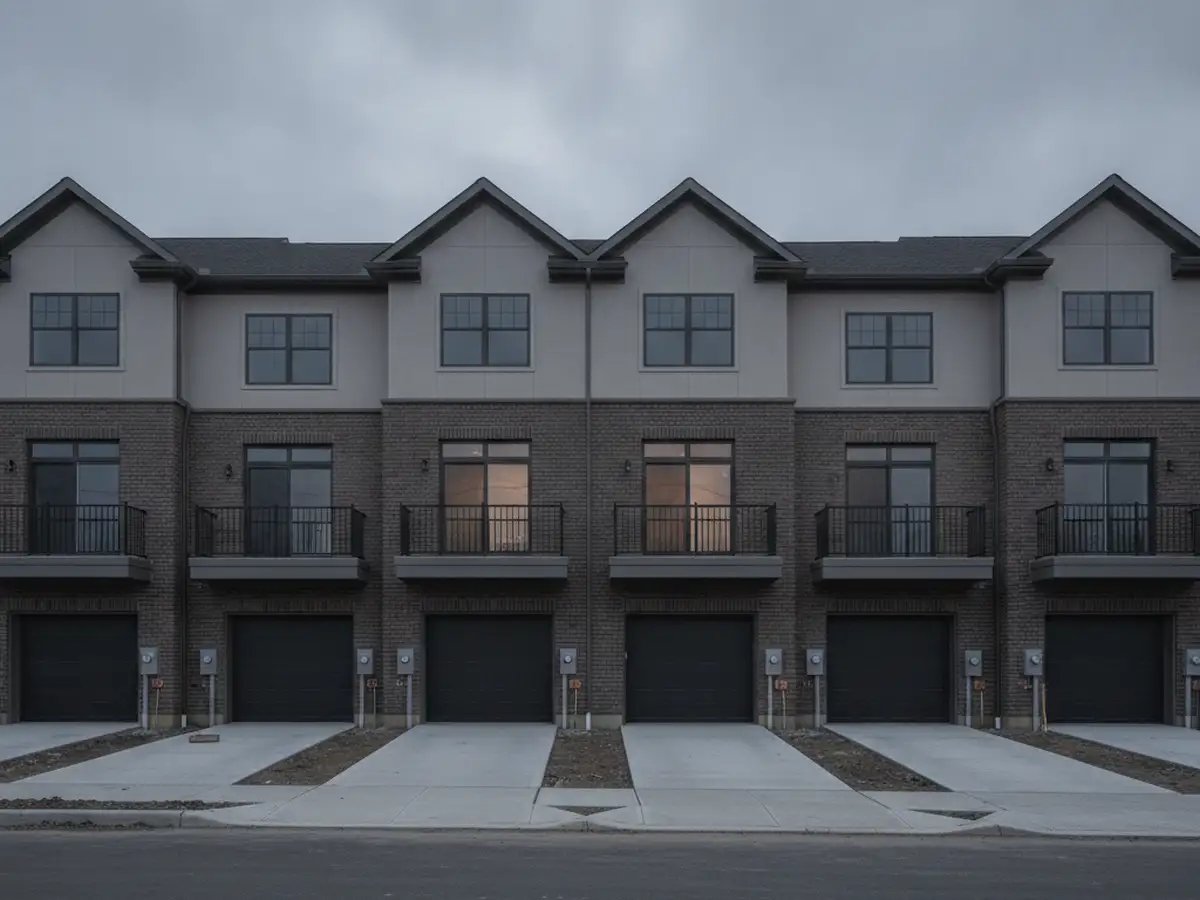
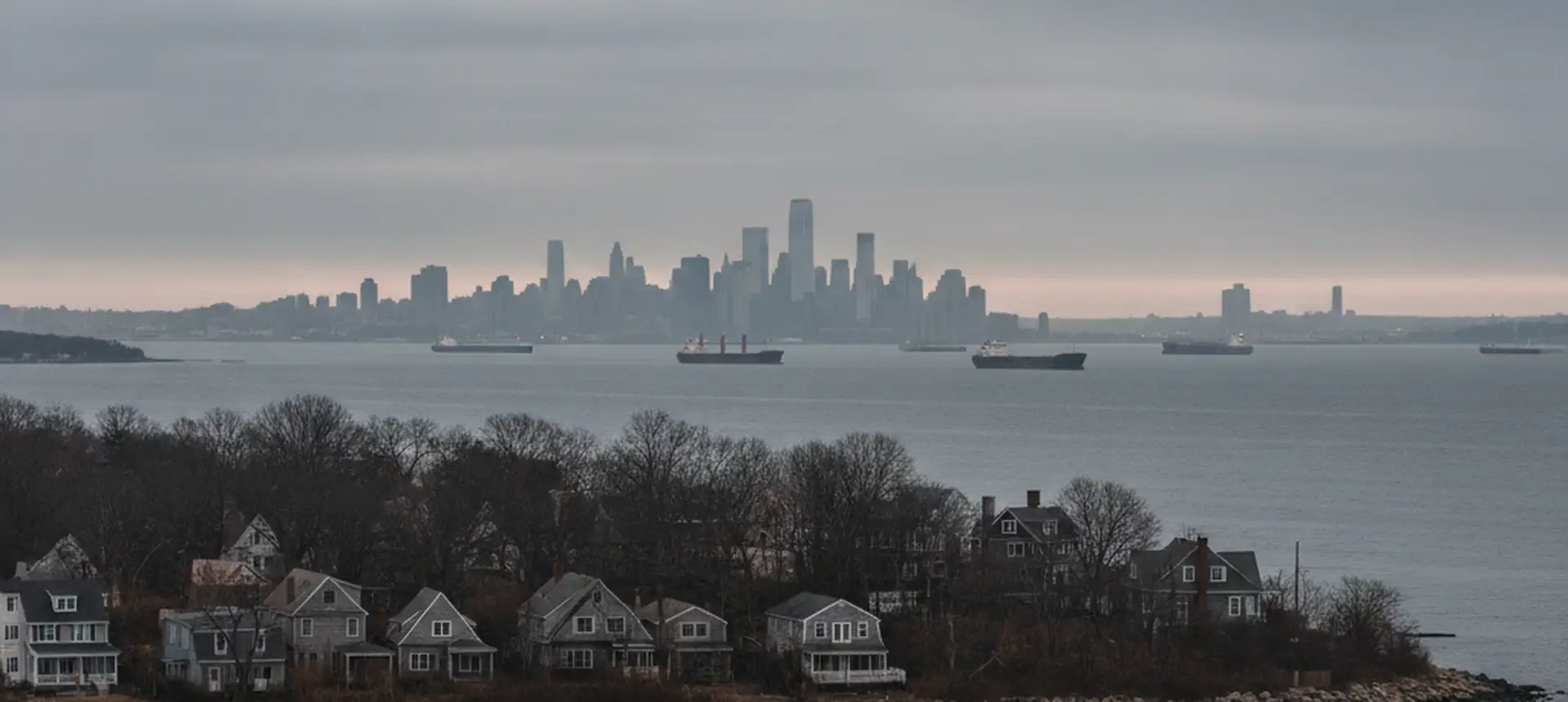
We are based on Sunset Avenue in Westerleigh and we work across Staten Island.
The island is not one job. A Great Kills detached house has a long driveway and a yard for the container. A New Springville townhouse has a shared wall and a garage door as the route out. A St. George frame house has a stair, a tight lot and a Landmarks certificate ahead of its permit. A Hylan Boulevard shopping strip has a wide lot out back and neighbours trading on both sides. Each changes the crew, the sequence and the price.
Common questions
What drives the cost of a demolition job on Staten Island?
Less than people expect comes from the demolition itself. Most of the figure is decided by four things.
- How material gets out. A driveway with a container off the street is the simplest case in the city, and most of the island has one. A garage door in a townhouse is nearly as good. A North Shore stair with a narrow lot is a different price, because it takes more people and more time.
- What you are taking out. Drywall on studs, which is most of the island's post-1980 stock, is quick. Plaster on lath in an older house is slower. Concrete is slower again. Tile on a mortar bed adds hours.
- When you can work. A job that fits inside the standard weekday window costs less than one that needs evenings or weekends, because after-hours work needs a variance and a crew outside normal hours.
- What has to be protected. An empty house needs very little. A house with the family living upstairs while the ground floor comes out needs a great deal.
We price against the actual space rather than a rate per square foot, because the square footage is rarely the thing that decides it.
How soon can you start?
Usually sooner than the paperwork does.
If your job needs a Department of Buildings permit and the house predates April 1987, the asbestos assessment has to be filed first, and the permit follows that. If the house is in one of the North Shore historic districts, the Landmarks certificate sits ahead of the permit too. If it is a condo or a co-op, the board will have its own approval to give.
Call us early and we will tell you which of those apply to you. On work that needs none of it, which on this island is common, we can start quickly.
Do you work in buildings that are still occupied?
Yes. On Staten Island that usually means the family is still in the house while the work happens, and it is the normal case rather than the exception.
It changes how the job is run rather than whether it can happen. The rooms in use are sealed off from the work, protection goes further, dust control matters more, noisy work gets grouped into agreed hours, and the container is covered and the driveway cleared every evening. We agree all of that with you, and with the neighbours where a wall is shared, before we start.